
Tooth pain can strike unexpectedly, turning daily activities like talking or eating into uncomfortable chores. Understanding what your mouth is signaling is essential for maintaining good oral health and preventing serious complications. Whether your discomfort is mild or severe, your teeth and gums are communicating an important message. Early recognition and prompt action are key, and resources such as dentistsofhinsdalelake.com can provide valuable support. Not all toothaches are created equal. The type, duration, and accompanying symptoms of pain can indicate a range of issues, from simple cavities to more complex dental infections. Being informed helps you take the right steps, whether it’s seeking immediate care or managing sensitivity at home.
Table of Contents
Common Causes of Tooth Pain
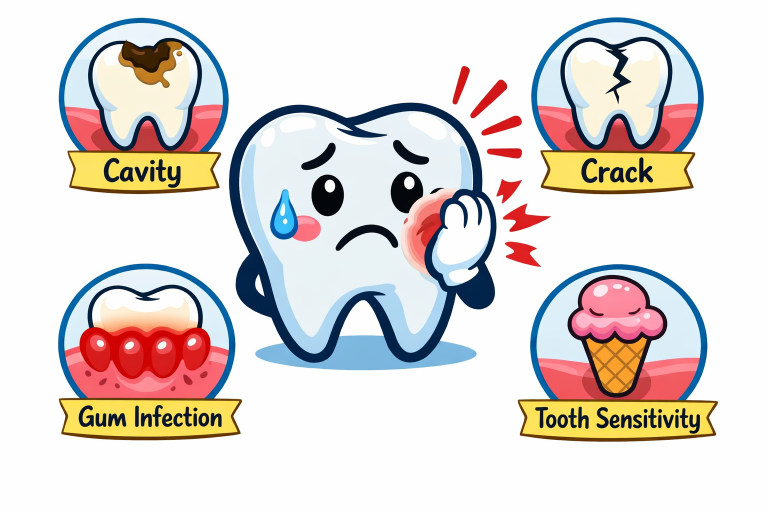
Tooth pain can originate from a variety of sources. The most common culprits include untreated cavities, gum disease, cracked or broken teeth, worn enamel, and infections such as abscesses. Sometimes, pain comes from issues outside the teeth, such as sinus infections or jaw joint problems. Cavities, caused by decay from bacterial buildup, are a primary source. Gum inflammation (gingivitis or periodontitis) also produces discomfort, often accompanied by bleeding or swelling. Traumas like chips or fractures expose sensitive areas, while abscesses signal deeper bacterial infections in the tissues around the tooth. Additionally, poorly aligned teeth or dental restorations can create uneven pressure points in your mouth, potentially leading to discomfort or even chronic pain over time. In some cases, orthodontic treatments or the use of braces may cause temporary soreness as your mouth adjusts, but this type of pain typically subsides as tissues acclimate. Understanding some of these less obvious contributing factors can help you uncover possible patterns, especially if you notice pain that comes and goes or shifts from one tooth to another.
Types of Tooth Pain and What They Mean
Each type of tooth pain offers clues about its underlying cause. Sensitivity to cold or hot foods often points to enamel erosion or mild gum recession. Sharp or stabbing pain while biting may signal a cracked tooth or a loose filling. Throbbing, persistent pain is commonly associated with infection, and a dull ache could mean teeth grinding or sinus pressure. Gum tenderness or swelling may suggest gum disease, especially if the pain is accompanied by bleeding. Distinguishing these pain types helps you communicate more effectively with dental professionals during your visit. Occasionally, tooth pain can radiate, meaning the discomfort is felt in surrounding teeth or in the jaw, rather than in the exact tooth that is injured or affected. This can make self-diagnosis challenging and is one reason why professional evaluation is so important. Additionally, if your pain lingers for more than a couple of days or is accompanied by a bad taste in your mouth, it might indicate an infection or an abscess that should be evaluated without delay.
What to Do When Tooth Pain Strikes
If you experience sudden or severe tooth pain, rinse your mouth with warm water and gently floss to remove any trapped debris. Over-the-counter pain relievers, such as acetaminophen or ibuprofen, may help temporarily reduce discomfort. Avoid placing aspirin directly on the gums, as this can further irritate the gums. For sensitivity, switching to a toothpaste designed for sensitive teeth can provide relief. Avoiding triggers such as cold drinks or sweets is also helpful until you see a dental professional. Remember that these measures are only short-term solutions. If you notice ongoing or worsening pain, swelling, or fever, contact your dentist promptly. For dental pain caused by trauma, such as a fall or blow to the mouth, carefully check for visible cracks or chips. Sometimes, a temporary dental cement, available at most pharmacies, can act as a stopgap until your dentist appointment. Never ignore swelling or a loose tooth, as these signs may indicate deeper structural problems. Also, maintaining a cool compress on your cheek can help minimize swelling and provide added comfort until professional care is available.
Preventing Future Tooth Pain
Consistent home care is the most reliable way to minimize dental pain. Brush twice daily with fluoride toothpaste and floss every day to remove plaque buildup. Limit acidic and sugary foods, as they contribute to decay and enamel weakening. Regular professional cleanings are vital, as they spot issues before they escalate. Nighttime teeth grinding, or bruxism, can wear down enamel and lead to sensitivity and pain. If you wake with a sore jaw or damaged teeth, ask your dentist about custom mouthguards for protection. In addition to these basics, don’t underestimate the impact of staying hydrated and consuming a balanced diet rich in calcium and vitamin D, which help strengthen teeth and support bone structures. Also, refrain from using your teeth as tools, for example, to open packages or crack nuts, as these habits can lead to avoidable injuries. Educating children about proper oral hygiene from an early age sets them up for a lifetime of healthier teeth and fewer dental emergencies.
When to See a Dentist
Not all dental pain is an emergency, but these warning signs require immediate attention: sudden, intense pain; swelling of the face or jaw; pus or bleeding, a high fever; or difficulty swallowing. These may indicate infection or injury requiring urgent intervention to prevent complications. For mild, lingering discomfort such as sensitivity or a dull ache, schedule an appointment to address the underlying cause. Even minor symptoms can worsen over time if left untreated, possibly leading to tooth loss, abscess formation, or spread of infection. Never ignore persistent tooth pain, as early diagnosis and treatment are your best defense against serious dental problems.
Dental professionals have the expertise and tools to examine both visible and hidden areas of your mouth, sometimes using X-rays to assess underlying structures. Prompt attention to suspicious symptoms can keep a minor inconvenience from spiraling into a major, and more costly problem down the road. Establishing an open and proactive relationship with your dentist enables earlier intervention, quicker relief, and more comprehensive guidance tailored to your unique needs.
Conclusion
Tooth pain is your body’s powerful warning system, telling you that something needs attention. Identifying the cause, seeking prompt dental care, and practicing good oral hygiene are the most effective strategies for maintaining a healthy, pain-free mouth. If you experience ongoing discomfort, consult a trusted provider for tailored advice and care. Your teeth and gums play a vital role in your overall well-being, so listen closely to what they are trying to tell you.
By demystifying the many reasons behind tooth pain and outlining steps for prevention and action, you empower yourself to make informed choices for your health. The effort you put into preventive oral care today can pay dividends for years to come, preserving your smile, comfort, and overall confidence. Ultimately, never hesitate to seek professional input; regular dental visits are among the simplest ways to protect yourself from unnecessary pain and future complications.

- Buyer’s Checklist for Desert-Smart Luxury Homes in Las Vegas, Nevada - October 12, 2026
- How to Create a Safer Pool Area in Orange County, California - October 12, 2026
- Scorecard for Choosing a Queen Creek, Arizona Neighborhood - September 25, 2026