
Protecting your home from electrical hazards should be a top priority for every homeowner. Simple safety measures can prevent injuries, fires, and property loss. Partnering with a qualified electrical contractor Philadelphia, PA is one of the best ways to ensure your home’s wiring and systems are safe and up to code. Understanding key practices and proactive steps helps you create a safer living environment for everyone in your household.
Many electrical accidents stem from preventable issues such as outdated wiring, overloaded outlets, or improper appliance use. With just a few changes in your routine and a commitment to regular checks, you can significantly diminish your risk of dangerous electrical problems. Beyond the basics, knowing how to respond in emergencies and safeguard vulnerable family members, such as children, is essential. By adopting a thorough approach to electrical safety, you protect not only your property but also the well-being of your loved ones. Explore this comprehensive guide to transform your home into a haven, where electrical issues are less likely to occur and are quickly addressed when they do.
Table of Contents
Regular Inspections
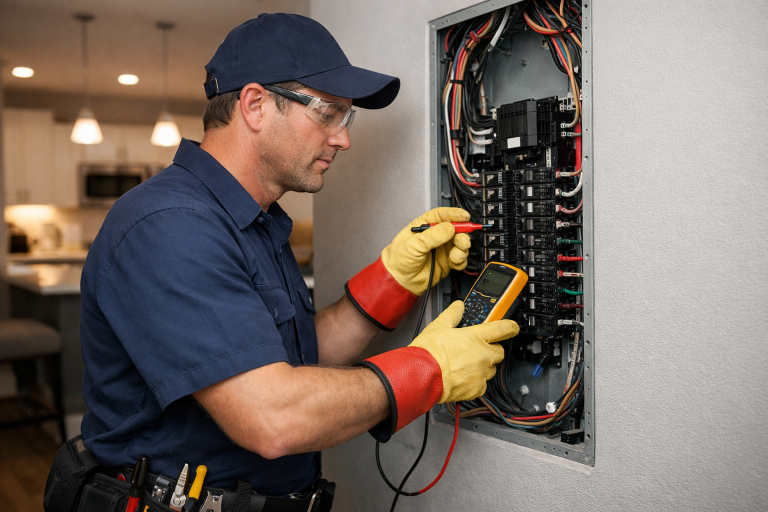
Routine inspections are vital for identifying warning signals in your home’s electrical system. Some issues to watch out for include frequent breaker trips, flickering or dimming lights, and outlets making unusual buzzing sounds. Discoloration or warmth at electrical outlets or switches can also indicate unsafe wiring or connections that need immediate professional evaluation. If any signs of trouble are spotted, contacting a licensed electrician for a detailed evaluation is crucial. An expert can prevent small issues from becoming serious hazards, safeguarding your home against electrical fires and other dangers.
Proper Use of Extension Cords
Extension cords offer temporary solutions but pose risks if misused. Only use cords for their intended environment; indoor cords should remain inside, while outdoor cords are designed to withstand the elements. Keep extension cords out from under rugs or heavy furniture, as these places cause wear and increase the risk of damage. Never overload extension cords by plugging multiple high-powered devices into them. Damaged cords should be replaced rather than repaired, as exposed wires can lead to shocks or sparking. Regularly inspecting cords helps you catch problems before they cause injury or a fire.
Appliance Safety
Household appliances are among the most common sources of electrical incidents. Always unplug small appliances when not in use and keep all devices away from water. Make sure appliances have proper ventilation to reduce the risk of overheating. When installing or using an appliance, always follow the manufacturer’s safety instructions for best results. Large appliances should be plugged directly into wall outlets rather than extension cords.
Outlet Overload Prevention
Plugging too many devices into a single outlet can cause overheating and even start a fire. Whenever possible, only plug one high-wattage appliance into each outlet. Consider power strips that feature built-in circuit breakers to add an extra layer of protection against overloads. If you do not have enough outlets, hiring an electrician to install more can be a safe investment in your home.
Childproofing Electrical Outlets
Children are naturally curious, which can put them at risk around electrical outlets. Installing tamper-resistant outlets and placing safety covers on unused outlets will protect little fingers from dangerous shocks. Position cords so they are out of reach, especially in play areas and bedrooms.
Outdoor Electrical Safety
Electrical safety measures extend beyond the interior of your home. Use weatherproof outlets and covers for all external plug points. Keep all outdoor electrical devices and wiring away from water, and always ensure outdoor outlets are equipped with ground-fault circuit interrupters (GFCIs), which cut power instantly in the event of a fault.
Upgrading Old Wiring
Homes older than 40 years may not meet today’s electrical safety standards. Outdated wiring is not only inefficient but can also lead to fires and system failures. Upgrading your home’s wiring through a qualified professional ensures you meet modern safety codes and boosts property value, especially after significant renovations.
Emergency Preparedness
Every household should have an emergency plan for electrical problems. Know the exact location of your circuit breaker panel so you can quickly cut power in an urgent situation. Keep an appropriate fire extinguisher rated for electrical fires in an easily accessible location. Finally, make sure all family members are aware of basic electrical safety and what to do if they encounter a problem. By remaining proactive with regular maintenance, smart usage, and basic safety measures, you can greatly diminish the risk of electrical disasters in your home. Prioritize these tips today to maintain a secure and worry-free living environment.
Conclusion
Creating a safe home environment starts with consistent attention to your electrical systems and everyday habits. From scheduling regular inspections to preventing outlet overloads and upgrading outdated wiring, each step plays a vital role in reducing risks and protecting your household. Simple actions, like using appliances correctly, childproofing outlets, and practicing outdoor electrical safety, can make a significant difference in preventing accidents and costly damage. Equally important is being prepared for emergencies and knowing when to call a qualified professional. By combining proactive maintenance with informed decision-making, homeowners can ensure their electrical systems remain efficient, compliant, and safe. Ultimately, prioritizing electrical safety not only safeguards your property but also provides lasting peace of mind for you and your family.

- How Hightech Signs Turns Custom Signage Needs Into a Complete Branding System - October 23, 2026
- Buyer’s Checklist for Desert-Smart Luxury Homes in Las Vegas, Nevada - October 12, 2026
- How to Create a Safer Pool Area in Orange County, California - October 12, 2026