

Table of Contents
Key Takeaways
- Outdated oil tanks pose environmental and financial risks.
- Professional removal ensures compliance with local regulations.
- Timely action can prevent costly remediation efforts.
Ensuring the safety and integrity of your property involves more than routine maintenance. One crucial task often overlooked is handling outdated oil tanks. As properties age, these tanks can present significant risks to both the environment and your investment. Whether you own residential or commercial property, having a proactive plan for removal is a wise choice. To find help with this important task, connect with oil tank services hastings on Hudson, NY for professional solutions tailored to your community’s needs.
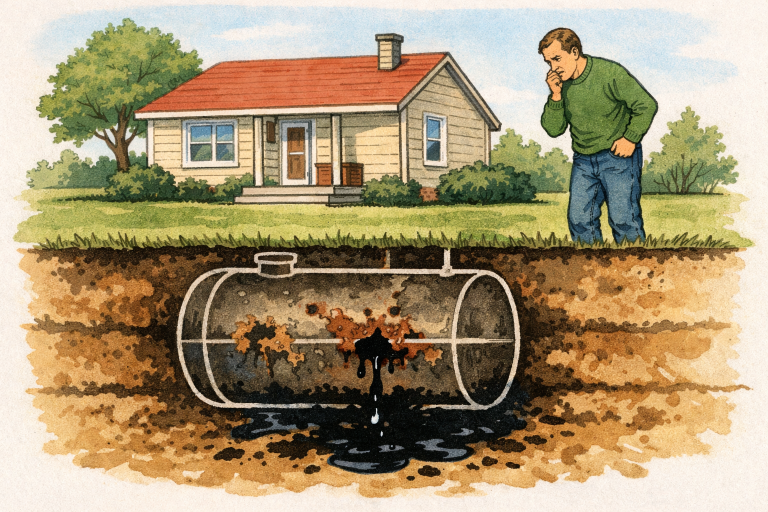
Older underground oil tanks can fail due to corrosion and other damage, leading to costly environmental damage. Leaks threaten soil, groundwater, and, ultimately, your peace of mind. Professional services can guide you through the process, ensuring your property remains safe and fully compliant with local codes.
Understanding the Risks of Aging Oil Tanks
Underground oil tanks installed decades ago are prone to corrosion and undetected leaks. Even a relatively small leak can contaminate large volumes of soil and groundwater, posing a threat long before noticeable surface issues arise. Environmental hazards affect not only your property but also the wider community. A leaking tank can dramatically reduce property value and create legal liabilities if not addressed promptly.
If a leak is discovered, property owners may be responsible for costly remediation and cleanup efforts, which can quickly escalate. Protecting your property means keeping up with inspections and being prepared to act if a tank needs to be removed.
Regulatory Compliance and Environmental Responsibility
Strict regulations exist for the removal of underground oil tanks. These rules are designed to minimize environmental contamination and promote public health. Failure to comply with these regulations can result in substantial fines and penalties, underscoring the importance of hiring a qualified contractor for any tank removal project. County and state environmental authorities provide guidelines and oversight, but it is ultimately the property owner’s responsibility to maintain compliance and document proper tank removal.
The Oil Tank Removal Process
Removing an oil tank involves several crucial stages, from professional assessment to site restoration. Each step minimizes the risk of additional contamination and ensures adherence to all local regulations:
- Assessment: An expert evaluates the tank’s age, type, and location, as well as the integrity of the tank and the lines connecting it to your heating system.
- Permitting: Before physical work begins, permits must be secured from local agencies. This ensures transparency and compliance before and after the removal process.
- Extraction: Specialists excavate the tank safely, taking care to prevent accidental releases of oil or residue during the process.
- Soil Testing: After the tank is removed, thorough soil testing determines whether any leakage has occurred and if further remediation is needed.
- Site Restoration: Once tests are clear or remediation is complete, the site is filled and restored, ensuring there’s no evidence of the prior excavation.
Choosing a Qualified Professional
The safety and efficiency of oil tank removal depend heavily on hiring a certified and experienced contractor. Beyond technical know-how, a skilled provider understands all the local, state, and federal requirements for handling hazardous materials, obtaining permits, and coordinating with inspectors. Proper training and certification ensure your project proceeds smoothly, minimizing risk and liability. When selecting a contractor, look for firms with positive reviews, proven experience, and all necessary licensure.
Financial Considerations and Assistance
The cost of removing an oil tank varies based on its size, location, and the level of contamination, if any. Investing in timely removal eliminates the risk of costly environmental cleanup and legal expenses resulting from leaks and regulatory noncompliance. Local agencies and state programs occasionally offer grants or financial assistance to homeowners undertaking proactive environmental protection projects.
Preventive Measures for Property Owners
Preventive action is always more cost-effective than remediation. Property owners should regularly inspect their tanks for early signs of corrosion, leaks, or unusual odors. Keeping detailed records of inspections and servicing not only ensures safety but also supports insurance claims and property value when you decide to sell. Consider modernizing with new double-walled or fiberglass tanks, or transitioning to alternative heating solutions such as natural gas or electric to avoid risks altogether. Proactive steps show potential buyers that your home or business is responsibly maintained, providing an extra level of assurance.
Final Thoughts
Managing outdated oil tanks is a core responsibility for property owners committed to health, safety, and property value. By acting early with the support of skilled professionals and complying with local laws, you protect both your investment and the community’s environment. Take the initiative to secure your property through responsible oil tank removal practices, and stay informed about new technologies and regulations shaping the future of fuel storage and property care.

- Buyer’s Checklist for Desert-Smart Luxury Homes in Las Vegas, Nevada - October 12, 2026
- How to Create a Safer Pool Area in Orange County, California - October 12, 2026
- Scorecard for Choosing a Queen Creek, Arizona Neighborhood - September 25, 2026