
Maintaining the efficiency and value of urban commercial properties is increasingly complex due to evolving technologies and the dense environments in which these buildings reside. The introduction of advanced building management approaches, including the use of commercial vfd control panels new york to optimize energy use, is transforming the way facility managers handle everyday operations. Facility leaders must adapt quickly, implementing tools and systems tailored to high-density commercial environments to remain competitive.
Addressing these unique maintenance challenges means integrating not only the latest technology, but also holistic systems that support operational excellence, tenant comfort, and longevity of investments. Successful urban building management now relies on smarter workflows, automation, and sustainable practices that align with the expectations of modern occupants and regulatory standards.
Table of Contents
Integrating Smart Building Management Systems
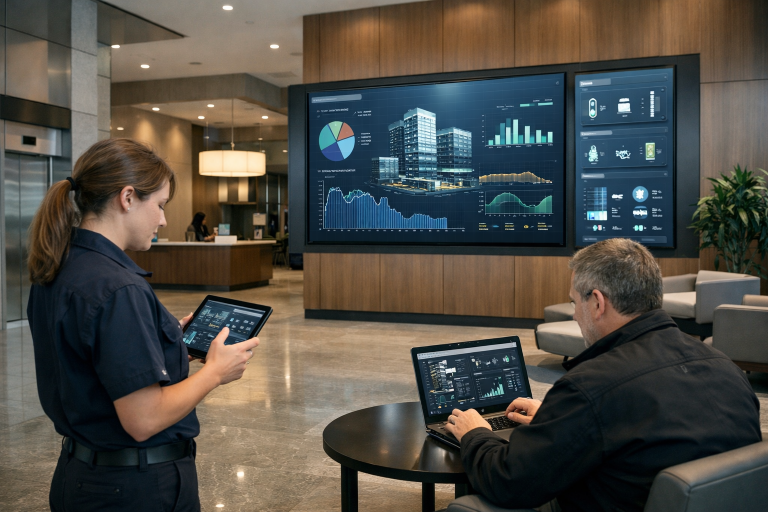
Smart Building Management Systems (BMS) are transforming the maintenance landscape for urban commercial buildings. These platforms provide actionable, real-time data insights that empower facility teams to oversee HVAC, lighting, security, and other essential systems from a single point of control. By automating many monitoring and adjustment tasks, BMS reduces response times and minimizes downtime, ensuring that costly operational disruptions are quickly addressed. For example, the implementation of Schneider Electric’s EcoCare demonstrates how predictive analytics and 24/7 monitoring can drive both energy savings and productivity gains.
Integrating these systems makes it easier to meet sustainability goals, which are increasingly mandated by local urban policies. Automated controls help to align building control strategies with real-world occupancy patterns and weather fluctuations, reducing waste and boosting tenant satisfaction.
Leveraging AI and IoT for Predictive Maintenance
Predictive maintenance technologies, driven by artificial intelligence (AI) and the Internet of Things (IoT), are rapidly replacing traditional maintenance models. Building systems outfitted with IoT sensors continuously collect performance data, which AI algorithms analyze to identify emerging faults or inefficiencies before they result in actual equipment breakdowns. This approach not only reduces emergency repairs but also extends the lifespan of costly assets and controls operational expenses. Facilities using predictive platforms, such as those offered by Sweven FM, have reported a decrease in major failures and a significant increase in regulatory compliance rates.
These solutions are particularly critical in urban commercial buildings, where downtime affects a large number of tenants and can lead to substantial financial losses. Data-driven maintenance empowers facility teams to transition from calendar-based inspections to need-based servicing, maximizing resource efficiency and reducing unnecessary site visits.
Enhancing Energy Efficiency
Elevating the energy efficiency of urban commercial buildings is essential for financial and environmental reasons. Modern energy management systems are pivotal in reducing unnecessary consumption, often achieving cost reductions of up to 20 percent. Platforms like those employed by CBRE use machine learning to continuously optimize building system operations, balancing comfort, operational needs, and energy savings.
These tools present actionable insights for both immediate operational improvements and long-term capital planning. Utility consumption data is integrated with occupancy metrics so that lighting, heating, and cooling are dynamically adapted to actual usage. Over time, these solutions pay for themselves by reducing utility spend, cutting carbon emissions, and meeting the sustainability expectations of urban stakeholders.
Implementing Automated Facade Maintenance
The exterior of high-rise and mid-rise urban buildings demands ongoing care for both aesthetics and safety. New advances in automation, including robots for window cleaning and façade inspection, are reshaping how managers handle these tasks. Skyline Robotics’ collaboration with Alimak Group illustrates the potential of this technology to deliver thorough, cost-effective, and safe façade maintenance for even the tallest skyscrapers. Adoption of such systems not only mitigates labor shortages but also keeps workers out of harm’s way.
Automated systems facilitate more frequent and routine exterior cleaning and structural inspections, which are particularly important in cities with stringent building codes. Keeping the façade in top condition supports tenant satisfaction, building value, and cityscape aesthetics.
Prioritizing Safety and Compliance
Safety and regulatory compliance are non-negotiable in commercial building maintenance. Urban facilities face complex local, state, and federal regulations regarding fire safety, air quality, accessibility, and worker protection. Proactive safety management and comprehensive compliance audits can all but eliminate costly violations, accidents, and legal disputes. Companies such as Township Building Services have set new benchmarks by integrating high standards of compliance and quality control within their service contracts, ensuring occupants’ confidence and owners’ peace of mind.
Staying ahead of both scheduled and surprise inspections also protects the facility’s reputation and helps avoid interruptions to business continuity imposed by safety incidents or infractions.
Adopting Comprehensive CMMS Solutions
Computerized Maintenance Management Systems (CMMS) play a foundational role in organizing and streamlining daily maintenance activities for commercial buildings. Leading platforms like Facilio allow facility managers to track work orders, maintenance schedules, asset histories, and compliance documents from a single interface. Their no-code approaches and real-time dashboards mean that even highly complex urban properties can be managed with less manual effort, fewer errors, and rapid response to tenant needs.
Comprehensive CMMS adoption also facilitates better vendor management, budget forecasting, and asset lifecycle planning across large real estate portfolios. This integration of features makes CMMS indispensable for modern facility management teams.
Conclusion
The future of urban commercial building maintenance relies on advanced, integrated technologies that optimize energy use, predict issues before they occur, and automate routine but essential processes. Facility managers who embrace solutions such as smart building management systems, AI-driven maintenance, advanced CMMS, and automation will be best positioned to safeguard asset value, deliver tenant satisfaction, and ensure regulatory compliance. These investments are not just operational upgrades, but essential components for long-term building sustainability and profitability in competitive urban markets.

- Scorecard for Choosing a Queen Creek, Arizona Neighborhood - September 25, 2026
- How Jacksonville, Florida Homeowners Can Spot Hidden Plumbing Leaks Before Damage Spreads - September 15, 2026
- How to Reduce Workplace Noise and Vibration With R.T. Laird, Inc. Casters - September 15, 2026