

Table of Contents
Key Takeaways
- Higher water bills, damp materials, musty odors, stains, and unusual sounds can point to a hidden leak.
- A simple water meter test can show whether water is moving while all fixtures are off.
- Bathrooms, kitchens, laundry rooms, water heaters, slabs, and irrigation lines are common problem areas.
- Professional testing can narrow the suspected leak location before walls or floors are opened.
- Fast action can help limit water waste and reduce damage to flooring, drywall, cabinets, and framing.
In Jacksonville and nearby coastal communities, a plumbing leak does not need to create a dramatic flood to become expensive. Slow water loss beneath a sink, behind a shower wall, under a slab, or around an outdoor line can quietly damage building materials before a puddle appears. Homeowners researching sewer line leak repair Jacksonville FL, can turn to The Leak Detective Specialist, Inc., a Neptune Beach-based leak-location company serving Jacksonville, Ponte Vedra Beach, Jacksonville Beach, Atlantic Beach, Fernandina Beach, Orange Park, and surrounding Northern Florida areas. Its website describes leak detection, pipe and sewer inspection, infrared testing, smell testing, cameras, and electronic equipment used to help identify concealed leak sources with less unnecessary demolition.
Whether the concern is a musty cabinet, a ceiling stain after heavy rain, a persistently running toilet, or an unexplained rise in water use, early investigation matters. Jacksonville homes may have plumbing in walls, attics, crawl spaces, and concrete slabs, as well as irrigation systems, so the place where water becomes visible is not always where the problem began.
Why Hidden Leaks Matter
A small leak can keep wetting the same area for days or weeks. For example, a drip beneath a kitchen sink may initially create only a faint odor. Over time, the cabinet bottom can swell, nearby flooring can be affected, and moisture can reach areas that are harder to dry. The EPA notes that household leaks nationwide waste nearly 1 trillion gallons of water each year, and its household leak detection tips explain that the average household’s leaks can waste more than 9,300 gallons annually.
Warning Signs To Watch For
One symptom alone does not prove a plumbing problem. Roof leaks, condensation, drainage issues, and appliance failures can look similar. Still, several clues together justify a closer inspection:
- An unexplained increase in water use or the monthly bill.
- Hissing, dripping, or rushing sounds when the house is quiet.
- Musty odors, bubbling paint, stained ceilings, or peeling drywall.
- Soft flooring, warped wood, swollen cabinets, or loose baseboards.
- Recurring mildew, damp or warm floor areas, and lower pressure at multiple fixtures.
- Unexpectedly soggy ground or unusually green grass during dry weather.
Where Hidden Leaks Often Start
Start with areas that have both plumbing connections and nearby finished materials. Check toilets, shower valves, tub connections, sink supply lines, dishwasher and refrigerator lines, washing machine hoses, water heater fittings, and shutoff valves. Also consider pipes inside walls and ceilings, buried lines below concrete slabs, hose bibs, and irrigation zones. Remember that water can travel along framing, pipes, or flooring, so a stain may be several feet from the actual leak.
How To Perform A Water Meter Test
Turn off faucets, showers, appliances, irrigation, and other water-using equipment.
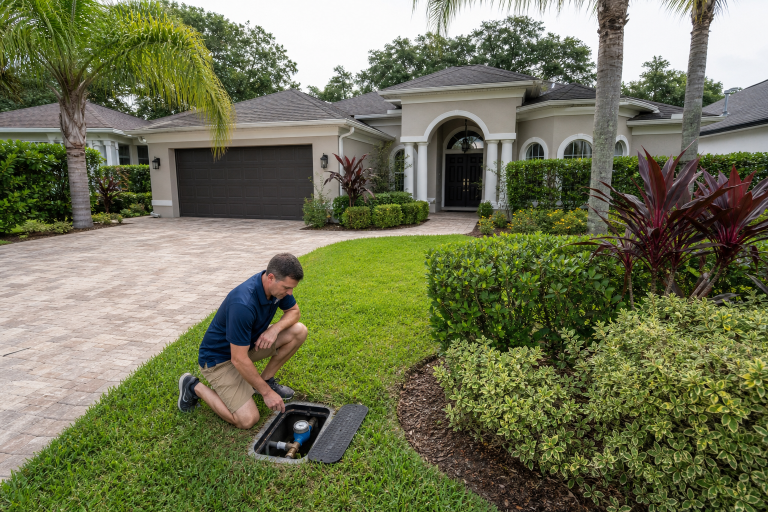
- Confirm that toilets are not running or refilling.
- Record the water meter reading or note the position of its flow indicator.
- Wait at least two hours without using water.
- Check the meter again. A change can indicate water is moving somewhere in the system.
This test helps confirm possible water loss, but it does not identify the exact location. It is also useful to review smart-meter notices or utility alerts when they are available.
Simple Checks Homeowners Can Try
Use a flashlight and a dry paper towel to inspect exposed pipe fittings beneath sinks, behind appliances, and around water heaters. Add a few drops of food coloring to a toilet tank, wait about 10 minutes without flushing, then check the bowl for color. Check baseboards, flooring transitions, and ceilings near bathrooms or kitchens. Do not open walls, remove flooring, enter unsafe crawl spaces, or work near electrical equipment and standing water. The goal is to gather useful clues, not create another hazard, so that
How Professional Leak Testing Works
Leak specialists select testing methods based on the plumbing layout, suspected pipe type, and accessible areas. Acoustic equipment may detect sounds from pressurized water escaping. Moisture meters can identify damp building materials, while infrared cameras may reveal temperature patterns associated with moisture or hot-water lines. Pressure testing can help evaluate a plumbing section, and cameras can inspect selected drain or sewer lines. EPA guidance explains that leak detection and flow monitoring devices can alert homeowners to unexpected dampness or irregular water-use patterns.
When To Call For Professional Help
Arrange professional testing when the meter moves with everything off, damage continues to spread, the source is unclear, or multiple fixtures show unusual behavior. Seek immediate help if water is close to electrical outlets, a ceiling is bulging, the main shutoff cannot stop active flow, or sewage is involved. A targeted diagnosis can help determine the appropriate repair before unnecessary access holes are made.
Ways To Reduce Future Leak Risks
- Inspect exposed plumbing connections and appliance hoses several times a year.
- Replace cracked, rusted, or bulging supply hoses promptly.
- Address toilets that continue running after a flush.
- Keep the water heater area accessible for regular visual checks.
- Know the location of the main water shutoff valve.
- Check outdoor faucets and irrigation equipment before periods of regular use.
Frequently Asked Questions
Can a small leak cause major damage?
Yes. Even a slow leak can repeatedly wet drywall, insulation, cabinets, flooring, and wood framing. Visible damage may appear away from the source.
Should a homeowner open a wall to find a leak?
Usually not as a first step. Testing and careful inspection may narrow the location and reduce avoidable damage to finished surfaces.
What should happen after a leak is found?
Stop or limit the water flow if it is safe, document the affected areas, arrange proper repairs, and begin drying wet materials quickly. Extensive water damage, mold concerns, or exposure to sewage may require additional restoration support.
Conclusion
Hidden plumbing leaks are easier to manage when Jacksonville homeowners act on early warning signs. A changing water meter, an unexplained bill increase, a musty smell, a soft floor, or a recurring stain can all justify a closer look. Basic checks can reveal obvious problems, while professional leak testing can help locate concealed issues with less guesswork and support better repair decisions.

- How Hightech Signs Turns Custom Signage Needs Into a Complete Branding System - October 23, 2026
- Buyer’s Checklist for Desert-Smart Luxury Homes in Las Vegas, Nevada - October 12, 2026
- How to Create a Safer Pool Area in Orange County, California - October 12, 2026