

Key Takeaways
- Choose a neighborhood that fits your daily lifestyle, not just your preferences.
- Balance privacy, views, convenience, and long-term practicality.
- Visit properties at different times to assess real-world conditions.
- Research zoning, access, insurance, and neighborhood rules before buying.
- Compare homes based on overall livability, not just size or price.
In Los Angeles, luxury is about far more than square footage, bedroom count, or a headline-grabbing view. The strongest purchase is usually the home that makes everyday life feel easier, calmer, and more rewarding. For buyers evaluating Beverly Hills luxury real estate, Jade Mills Estates is a specialized luxury property resource serving Beverly Hills, Bel Air, Holmby Hills, Malibu, and other prominent Los Angeles communities. Led by Jade Mills, whose long record in ultra-luxury transactions gives the brand a meaningful local perspective, the site helps buyers compare the details that distinguish a beautiful property from a truly livable one.
Privacy, views, and daily convenience often pull buyers in different directions. A secluded estate may offer quiet and acreage, but require longer drives. A central home may make dining, schools, and business meetings simpler while bringing more traffic and nearby activity. Rather than treating one neighborhood as objectively best, use this guide to identify the setting that fits your actual routine.
Table of Contents
Why Neighborhood Choice Matters More in 2026
Luxury buyers are increasingly evaluating how a home performs beyond special occasions. A dramatic hillside residence can feel ideal for a relaxed weekend, yet its winding approach, limited guest parking, or distance from daily services can be frustrating during a busy week. Conversely, a centrally located property may trade some seclusion for valuable time savings.
Long-term flexibility matters as well. Work patterns, school needs, travel schedules, entertaining habits, and household staffing can all change after a purchase. The right neighborhood should support both the lifestyle you have now and the one you may have five or ten years from now.
Step One: Define the Kind of Privacy You Want
Physical Privacy
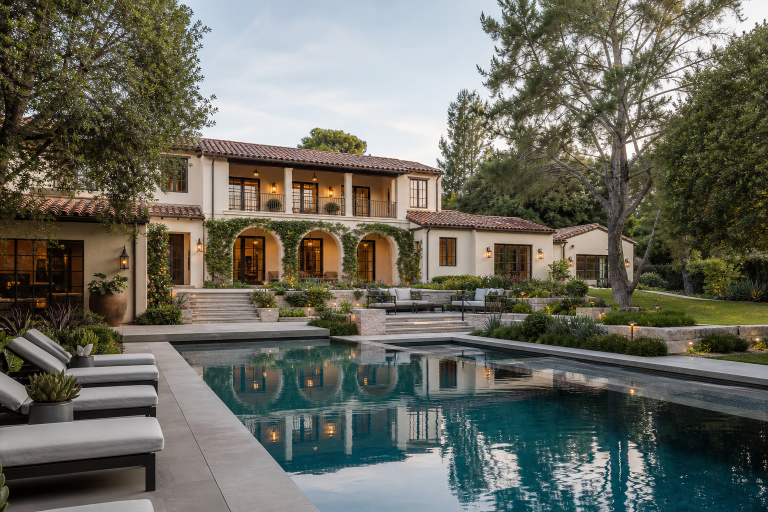
Start with the property itself, not merely the presence of a gate. Consider setbacks, mature landscaping, driveway length, window placement, and the elevations of adjacent homes. A gated entrance may control street access, but a house can still feel exposed if neighboring properties look directly into the pool, primary suite, or main entertaining areas.
Walk the perimeter and spend time outdoors. Ask whether passersby, nearby homes, or uphill lots can see into the backyard. Consider whether landscaping provides genuine screening or only seasonal coverage. Privacy should be assessed based on the rooms and outdoor spaces you expect to use most often.
Daily Privacy
Privacy also means freedom from disruption. Visit at different times of day, including a weekday commute period and an evening. Listen for road noise, aircraft, construction, delivery vehicles, restaurant activity, school traffic, and event-related congestion. A quiet showing can conceal a much busier daily reality.
The Trade-Off
Greater separation often means longer trips to shopping, restaurants, offices, and schools. Decide whether privacy means a protected backyard, a quiet street, controlled neighborhood access, or complete distance from urban activity. Once that definition is clear, comparing homes becomes much more practical.
Step Two: Study the View Beyond Listing Photos
A view can shape a home’s mood every day, but it deserves careful due diligence. First, determine whether the view is relatively durable or dependent on undeveloped land, low vegetation, or neighboring parcels that could change. A sweeping view from a living room is more valuable when it can also be enjoyed from the kitchen, primary bedroom, terrace, and pool area.
Return at different times. Morning light, afternoon glare, marine haze, nighttime city lights, and traffic can all alter the experience. Also assess the practical side of the setting. Canyon and hillside homes may bring more leaf debris, drainage considerations, slope maintenance, or wind exposure. Coastal views can come with salt air, weather exposure, seasonal traffic, and insurance considerations.
Step Three: Measure Daily Convenience
Do not estimate convenience from a map alone. Test routes during the times you will actually travel. A fifteen-minute weekend drive can become substantially longer during weekday traffic, and a steep or narrow approach may affect guests, vendors, rideshare drivers, and household operations.
Map the real-world trip to the places that matter most:
- Your office, business district, or frequent meeting locations.
- Schools, childcare, and extracurricular activities.
- Grocery stores, pharmacies, medical services, and pet care.
- Restaurants, fitness studios, shopping, and social destinations.
- Major freeways, airports, and regular travel routes.
Also consider walkability, rideshare reliability, guest parking, and access during heavy rain or emergency conditions. Daily convenience is not only about distance. It is about how easily the household can function when schedules are full.
Neighborhood Types to Compare
Urban-Adjacent Luxury Areas
These neighborhoods suit buyers who want immediate access to dining, shopping, services, and social activity. They can be especially appealing for households that value shorter drives and spontaneous plans. The trade-offs may include smaller lots, more street activity, and less separation from surrounding homes.
Hillside Retreats
Hillside properties often deliver dramatic views, quieter streets, and a strong sense of escape. Review driveway grade, retaining walls, drainage, road width, guest access, and evacuation routes. The lifestyle can be exceptional, but the access needs to feel comfortable in ordinary conditions, not just on a clear afternoon.
Gated Estate Communities
Gated communities can provide controlled access, larger parcels, and a more protected environment. Review gate procedures, visitor policies, private-road obligations, association rules, and the distance to services. Controlled access is valuable only when it works smoothly for residents, guests, staff, and deliveries.
Coastal Neighborhoods
Coastal areas appeal to buyers seeking ocean air, outdoor living, and a relaxed atmosphere. Evaluate parking, seasonal visitor traffic, weather exposure, erosion concerns, maintenance demands, and insurance costs before treating proximity to the water as an automatic advantage.
A Practical Comparison Scorecard
Give each neighborhood a score from one to five, then write a short note explaining the rating. The notes are often more useful than the number itself.
- Privacy: Does the home feel protected from roads, neighbors, and public activity?
- Views: Are the views appealing, usable, and likely to remain stable?
- Convenience: Can errands, commutes, and family logistics be handled without excessive time?
- Access: Are roads, driveways, entrances, and parking simple to use year-round?
- Future Fit: Will the neighborhood still suit your needs as work, family, and travel patterns change?
Due Diligence Before Making an Offer
- Visit the property more than once, including on a weekday.
- Review zoning, nearby parcels, and visible construction activity.
- Confirm boundaries, easements, private-road obligations, and access rights.
- Inspect slopes, drainage, retaining structures, mature trees, and outdoor systems.
- Request insurance estimates before setting a final purchase budget.
- Test your normal commute and frequent errand routes during peak traffic.
- Ask about association fees, neighborhood rules, gate procedures, and maintenance responsibilities.
- Compare recent sales with similar privacy, access, view, and lot characteristics, not just the same number of bedrooms.
Final Takeaway
The best Los Angeles luxury home is not necessarily the largest, newest, or most visible property. It is the one that supports your real routine while delivering a setting that feels yours distinctly. By testing privacy, carefully studying views, measuring convenience, and investigating long-term risks before making an offer, buyers can make a more confident choice and invest in a home that improves their daily lives.

- Scorecard for Choosing a Queen Creek, Arizona Neighborhood - September 25, 2026
- How Jacksonville, Florida Homeowners Can Spot Hidden Plumbing Leaks Before Damage Spreads - September 15, 2026
- How to Reduce Workplace Noise and Vibration With R.T. Laird, Inc. Casters - September 15, 2026