
Car accidents remain one of the most significant causes of injury and death on the road, affecting thousands of families each year. The reality is that many of these accidents could be avoided with better awareness and safer driving practices. If you or a loved one has been impacted by a collision, it may be helpful to seek guidance or legal support from sources like Quinnlawyers.com for understanding your options.
Knowing the most frequent causes of car accidents and, importantly, how to prevent them, can keep you, your passengers, and others on the road safer. Being proactive about both driving habits and vehicle maintenance is essential for every responsible driver.
Table of Contents
Key Takeaways
- Distracted driving is the leading cause of car accidents and can be prevented by staying focused and minimizing phone use.
- Speeding significantly increases the severity of crashes and reduces reaction time.
- Driving under the influence of alcohol, drugs, or certain medications greatly raises accident risk.
- Reckless behaviors like tailgating and aggressive driving put everyone on the road in danger.
- Poor weather conditions require slower speeds, greater following distances, and extra caution.
- Drowsy driving can be just as dangerous as impaired driving. Rest before long trips.
- Regular vehicle maintenance helps prevent mechanical failures that can cause accidents.
- Obeying traffic signals and stop signs reduces dangerous intersection collisions.
- Safe driving habits and responsible choices are the most effective ways to prevent accidents.
Distracted Driving
Distracted driving is the number one cause of motor vehicle collisions in the United States. Activities that draw your attention away from the road, such as using a cell phone, eating, or adjusting in-car controls, can have fatal consequences. NHTSA data shows that distracted driving led to 3,477 fatalities and 391,000 injuries in 2015 alone. Drivers who fail to focus on the traffic around them put everyone at risk.
How to Avoid:
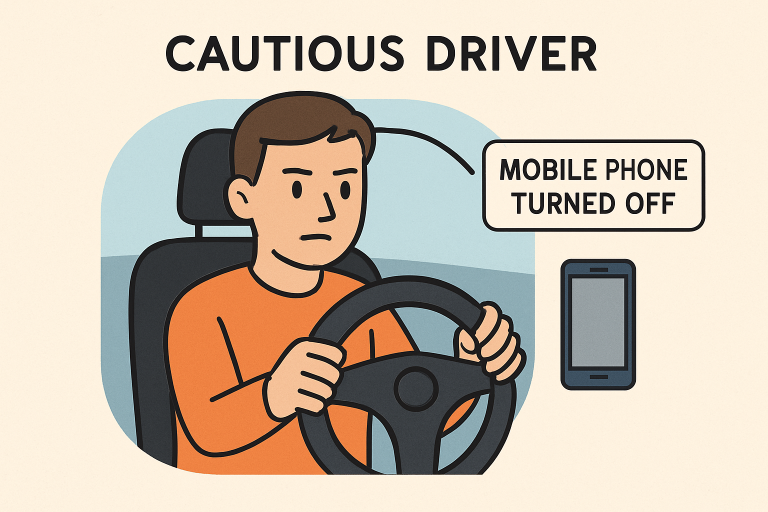
- Activate your phone’s “Do Not Disturb” mode or silence notifications before getting behind the wheel.
- Pre-set your music, podcasts, and GPS before driving.
- Avoid other distractions, such as eating or searching for items in your car, when moving.
Speeding
Driving above speed limits or too fast for the current road and weather conditions drastically reduces reaction time and the ability to avoid hazards. According to NHTSA reports, speeding played a role in over 11,000 deaths in 2023. This is a significant portion of all fatal accidents, and because high speed increases the impact of collisions, outcomes are often severe.
How to Avoid:
- Follow posted speed limits and adjust your speed for crowded or hazardous conditions.
- Leave with ample time to reach your destination so you aren’t pressured to speed.
- Use cruise control on highways when appropriate to reduce unintentional speeding.
Driving Under the Influence
Impaired driving due to alcohol or drugs is not only illegal but is also one of the deadliest choices a driver can make. In 2017, drunk driving was responsible for nearly 11,000 deaths in the United States. Even prescription or over-the-counter medications can dull reaction time and judgment, increasing your risk.
How to Avoid:
- If you plan on drinking, designate a sober driver in advance or arrange for a ride-sharing service.
- Be vigilant about how medications may affect your ability to drive safely.
- If you feel even slightly impaired, do not drive.
Reckless Driving
Reckless driving encompasses behaviors like aggressive tailgating, weaving between vehicles, and succumbing to road rage. These habits not only threaten your well-being but also pose great risks to other motorists. Staying calm and exercising patience is fundamental, especially in stressful traffic situations.
How to Avoid:
- Always maintain a safe following distance from vehicles ahead of you.
- Take deep breaths and avoid escalating situations with aggressive drivers.
- Do not hesitate to report dangerous drivers to the authorities if necessary.
Poor Weather Conditions
Rain, snow, fog, and ice frequently contribute to accidents by reducing visibility and traction. Drivers must adjust their behaviors and even reconsider whether a journey is necessary during adverse conditions. Using appropriate lights and reducing speed are simple yet effective ways to lower risks during bad weather.
How to Avoid:
- Slow down and increase your following distance in rain, snow, or fog.
- Turn on your headlights to see and be seen.
- If visibility is severely reduced, pull over in a safe area until it improves.
Drowsy Driving
Fatigue can have a similar effect on reaction time as alcohol or drugs. According to NHTSA, drowsy driving caused 91,000 crashes in 2017. Falling asleep at the wheel is disastrous, but even mild fatigue can make you less aware of hazards.
How to Avoid:
- Rest adequately before embarking on long drives.
- Take breaks every few hours or switch drivers if traveling with others.
- If you feel sleepy, find a safe place to stop rather than attempting to push through fatigue.
Vehicle Maintenance Issues
Regular maintenance is vital for preventing mechanical failures such as blown tires or brake malfunctions. Many avoidable accidents are caused by neglecting basic car care. Staying proactive with inspections not only extends your vehicle’s life but also protects everyone on the road.
How to Avoid:
- Schedule routine maintenance checks for brakes, tires, lights, and fluids.
- Monitor tire pressure and tread, and replace components as necessary.
- Do not ignore dashboard warnings or unfamiliar noises.
Running Red Lights and Stop Signs
Ignoring traffic signals or stop signs is a common culprit of intersection accidents, which can be especially dangerous due to side-impact crashes. Always comply with posted signs, and never rush through signals to save a few seconds. Intersection collisions can be mitigated by simple alertness and patience.
How to Avoid:
- Make complete stops at all red lights and stop signs.
- Scan both directions before entering intersections, regardless of the signal.
- Stay extra alert in areas where pedestrians or bicyclists are present.
Preventing accidents starts with each individual driver’s choices. By learning the common causes of accidents and taking concrete steps to avoid them, drivers help make roads safer for everyone. Staying attentive, calm, and responsible behind the wheel, as well as keeping your car in top condition, can reduce your risk and save lives. For more comprehensive information on road safety and statistics, visit resources such as the CDC Transportation Safety.

- How Self-Service Checkout Kiosks Shape Modern Retail - March 23, 2026
- Why Medical Device Recalls Occur and Their Role in Safeguarding Patient Safety - March 20, 2026
- How Pharmacy Services Support Wellness in Long-Term Care - March 20, 2026