

Dental implants have ushered in a new era of tooth replacement, providing patients with reliable and lifelike restorations that last for decades. With evolving methods and technologies, candidates for dental implants have more choices than ever and an opportunity to experience faster recovery and improved results. Clinics like the Pikos Institute are at the forefront of these advancements, making cutting-edge care available for patients seeking the best in implant dentistry.
Equipping yourself with information about innovative techniques, materials, and treatment planning technologies can help you make exceptional decisions for your dental health. Patients are empowered to choose options that meet both their aesthetic and clinical needs while reducing discomfort and simplifying the recovery process. Understanding what modern implantology offers is the first step toward restoring your smile with confidence.
Table of Contents
Key Takeaways
- Advancements in digital imaging and planning enhance implant precision.
- Minimally invasive procedures lead to quicker recovery times.
- New materials, such as zirconia, offer aesthetic and biocompatible benefits.
- Immediate load implants offer same-day tooth replacement.
Digital Imaging and 3D Planning
The precision of modern dental implant procedures is closely tied to the evolution of digital imaging technology. Techniques such as Cone Beam Computed Tomography (CBCT) have fundamentally changed how diagnoses and planning are carried out. With detailed 3D images of the jaw, bone, and surrounding soft tissues, dental teams can carefully map the ideal position, angle, and depth for each implant. The accuracy resulting from CBCT planning significantly reduces surgical risks while improving implant alignment and long-term stability.
This step forward in diagnostic capability ensures that even complex cases can be approached with confidence, benefiting patients with challenging oral health scenarios or anatomical variations. Digital planning software further assists clinicians in visualizing outcomes before any surgical intervention, providing clarity for both the clinician and the patient.
Minimally Invasive Techniques
Traditional dental implant surgery often involves extensive incisions and manipulation of gum tissue, leading to longer healing times and increased discomfort. Minimally invasive implant techniques, including flapless procedures and precision-guided implant placement, have dramatically improved the patient experience. Using computer-guided surgery, dentists can make extremely small incisions or, in some cases, avoid incisions altogether, preserving gum and bone structures. Patients benefit from reduced swelling and bleeding, and a faster return to daily life.
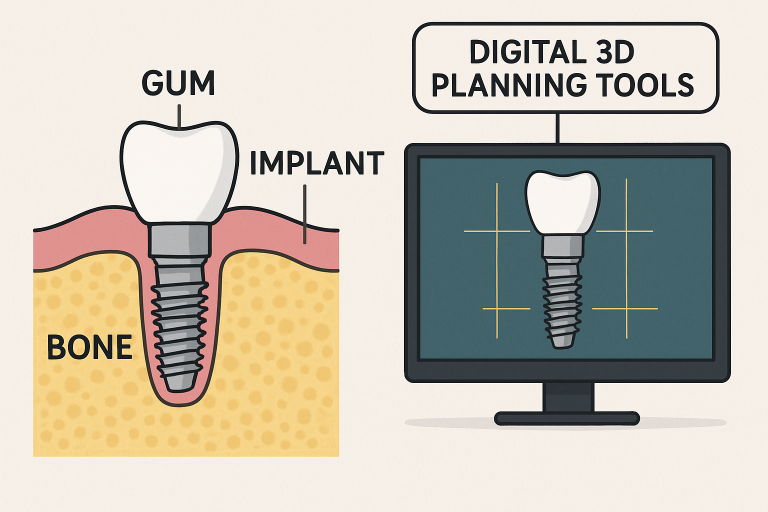
With minimally invasive techniques, many find that the entire implant process is far less daunting and requires less post-operative care. These procedures are especially appealing for individuals seeking efficient and comfortable solutions to tooth loss.
Innovative Implant Materials
Titanium has long been recognized as the gold standard for dental implants due to its durability and ability to integrate with bone, but new materials now offer unique advantages. Zirconia implants are gaining popularity for their natural tooth coloration, making them an excellent choice for patients focused on aesthetics. Equally important, zirconia is non-metallic and exceptionally biocompatible, offering an alternative for those with metal sensitivities or allergies.
These material advancements not only broaden treatment options for patients but also improve clinical outcomes by mitigating potential complications associated with traditional metal implants. As a result, the field of dental implantology continues to evolve and become more inclusive.
Immediate Load Implants
For many patients, the most daunting part of the implant process is the waiting period between implant placement and final tooth restoration. Immediate load implants (also known as same-day implants) eliminate this delay by allowing a temporary crown or bridge to be placed at the same time as the implant itself. This approach is not suited to every dental or anatomical situation, but it can be a game-changer for eligible patients.
Immediate load implants restore the appearance and function of the mouth almost instantly, reducing time without teeth and boosting confidence during the healing process. This innovation reflects the profession’s commitment to patient-centered care, striving to combine convenience with clinical excellence.
Artificial Intelligence and Robotics in Implantology
Advanced technology is revolutionizing dentistry in unprecedented ways. AI and robotics now play a crucial role in both the planning and surgical phases of dental implantology. AI algorithms can analyze CBCT images and medical histories to suggest optimal implant locations, while robotic systems guide the dentist’s hand during surgery for unmatched accuracy. These tools are particularly beneficial in cases where bone volume is limited or anatomical complexity is high.
This technological leap not only improves precision and consistency but also lowers the risk of human error, leading to even better patient outcomes.
Bone Regeneration Techniques
Lack of sufficient jawbone is a common barrier to dental implants, but new bone regeneration strategies are addressing this challenge. Advanced bone grafting materials, including synthetic grafts and bioactive ceramics, have greatly improved graft success and shortened recovery times. Meanwhile, biological materials such as Platelet-Rich Plasma (PRP) and Platelet-Rich Fibrin (PRF) harness the patient’s own blood to promote accelerated bone and tissue healing.
These methods restore implant eligibility for many people who would have previously required much longer or more extensive surgical interventions. Improved bone health means better implant support and a higher likelihood of long-lasting results.
Final Thoughts
The landscape of dental implants is rapidly changing, driven by technological advances, new materials, and advanced surgical techniques. By learning about the latest techniques and consulting with skilled professionals, patients can make informed decisions about their oral health and benefit from the very best that modern dentistry has to offer. If you are considering dental implants, speak with a qualified specialist to determine which innovative options best match your smile goals and health needs.

- Managing Chronic Pain with Innovative Therapies - April 4, 2026
- Reducing Damage from Plumbing Emergencies: Proactive Strategies for Homeowners - April 1, 2026
- Understanding Your Rights After A Personal Injury In Texas - March 30, 2026