
Losing weight is a challenge that many people face, and with rising obesity rates, the demand for effective, sustainable solutions has never been higher. The new era of personalized weight-loss plans offers real hope by recognizing that everyone’s body, lifestyle, and motivations are unique. Unlike the rigid approach of traditional diets, these tailored plans are crafted to fit each individual’s medical history, preferences, and day-to-day routines.
For example, Options Medical Weight Loss offers not only customized meal and exercise guidance, but also compassionate, ongoing support designed to keep individuals motivated and accountable at every stage of their journey. Rather than promoting a one-size-fits-all approach, personalized weight-loss plans focus on small, meaningful changes tailored to individual needs, making the weight-loss process not only more effective but also more relatable and enjoyable. This approach can lead to higher satisfaction, less frustration, and, importantly, improved long-term results.
Table of Contents
Key Takeaways
- Advancements in digital imaging and planning enhance implant precision.
- Minimally invasive procedures lead to quicker recovery times.
- New materials, such as zirconia, offer aesthetic and biocompatible benefits.
- Immediate load implants offer same-day tooth replacement.
The Shift Towards Personalization in Weight Loss
General weight-loss programs have long relied on a one-size-fits-all approach, such as rigid calorie limits or prescribed exercises that may not suit every individual. Unfortunately, these methods rarely recognize the vast differences in metabolic rate, behavioral triggers, or unique life circumstances that people bring to their journey. In recent years, a shift has occurred, with experts increasingly focusing on building plans tailored to actual habits, physical requirements, and personal preferences. This shift, backed by advances in medical science and behavioral research, significantly increases the likelihood of long-term weight-loss success by treating the individual, not just the symptoms.
Personalized weight loss might include meal planning that’s based on a person’s work and caregiving schedule, preferred cuisine, or access to certain foods. Some programs suggest activity levels that align with both the client’s goals and their current fitness, and they may adapt as skills and strengths develop. Importantly, personalization also considers chronic medical conditions such as diabetes, hypertension, and thyroid disorders, tailoring recommendations and tracking progress accordingly. This targeted design recognizes and supports the reality that long-lasting change often depends on flexibility and a willingness to adapt, helping clients overcome obstacles that generic plans often fail to address.
Integrating Technology for Enhanced Support
Technological advancements are rapidly transforming the landscape of weight loss, making it easier than ever to receive personalized support from virtually anywhere. For example, the Mayo Clinic Diet has integrated a 100-point Daily Diet Score system, which motivates users to consistently engage in healthy practices: tracking meals, making nutrient-rich food choices, and incorporating frequent movement throughout the day. These features leverage gamification, turning healthy activities into rewarding challenges, which makes it easier for users to stay committed over time. Mobile health apps now offer meal logging, real-time feedback, reminders, and even direct communication with health professionals, making support immediate and accessible.
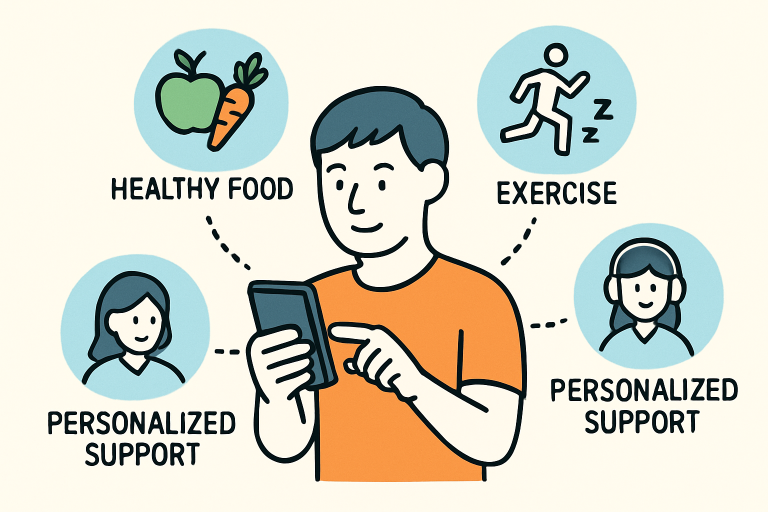
Thanks to secure digital platforms and mobile coaching, even those who cannot attend in-person sessions can still benefit from expert advice, regular check-ins, and community support. This ongoing connectivity helps minimize slip-ups and gives users the confidence that they are not alone in their journey an often underestimated factor in achieving weight loss goals.
The Role of Medications in Personalized Plans
Medications like GLP-1 receptor agonists (for example, semaglutide) are becoming an increasingly important component of comprehensive, personalized weight loss plans. For those who have struggled with lifestyle changes alone or have underlying metabolic challenges, these medications can offer much-needed help by reducing hunger, improving satiety, and supporting metabolic function.
Research has shown that when specific weight-loss drugs are carefully matched to a person’s health profile and used alongside nutrition and exercise plans, results can be significantly better than with lifestyle modifications alone. A recent study highlighted on CNN Health found that patients using GLP-1 drugs under medical supervision lost more weight and experienced fewer side effects, likely due to personalized treatment management. This multidimensional approach ensures that weight management addresses the biological, emotional, and behavioral components that contribute to weight gain, setting people up for lasting achievements.
Behavioral Support and Coaching
Strong behavioral support is a pillar of success in any personalized weight loss journey. Programs offering one-on-one coaching, live or virtual digital check-ins, and supportive peer communities provide a structure where individuals feel heard, understood, and encouraged. Seasoned coaches help clients identify triggers for emotional eating, tackle motivational slumps, and develop effective coping strategies. Overcoming setbacks is a natural part of any behavior change, and professional support can transform these moments into learning opportunities rather than reasons to give up.
Additionally, ongoing encouragement and feedback build confidence, resilience, and a positive relationship with food and health. Equip yourself with the right support, and the journey becomes not just a physical transformation but also a boost to overall mental well-being, key to keeping weight off in the long term.
Real-Life Success Stories
Personal stories continually affirm the potential of tailored weight loss solutions. Consider the example of a 45-year-old woman who spent years cycling through restrictive diets without success. By enrolling in a personalized program combining expert coaching, nutrition plans tailored to her specific tastes, daily customized movement goals, and appropriate prescription medication, she experienced increased daily energy, better sleep, and, over several months, a dramatic improvement in her overall health. Her renewed confidence inspired further positive changes, like joining new fitness activities and sharing her healthy journey with her family. This story echoes the experiences of many others who have found authentic, sustainable weight loss through plans designed just for them, rather than trying to fit into generic molds.
Challenges and Considerations
Despite their many benefits, personalized weight loss programs do have challenges to consider. Accessing comprehensive care often requires a significant financial investment, which makes it harder for those with limited resources to benefit. Some programs can also be time-consuming, requiring regular appointments, tracking, and ongoing communication with specialists. However, expanding access through telehealth, remote coaching, and digital tracking tools is helping break down barriers and make individualized support more widely attainable. For broader adoption, it remains essential for healthcare systems, employers, and insurers to recognize the long-term value of personalized approaches and continue working to make these services more affordable and accessible to all.
Final Thoughts
Personalized weight loss plans are fundamentally reshaping how individuals approach healthy weight management. By integrating tailored strategies, cutting-edge technology, behavioral support, and, where necessary, medical treatments, people are finding greater success and satisfaction along their journeys. These approaches don’t just improve physical health; they support holistic well-being and lasting self-confidence. As personalized care becomes more accessible, it signals a promising future in which anyone can access the right tools to become their healthiest selves, no matter where they’re starting from.

- Managing Chronic Pain with Innovative Therapies - April 4, 2026
- Reducing Damage from Plumbing Emergencies: Proactive Strategies for Homeowners - April 1, 2026
- Understanding Your Rights After A Personal Injury In Texas - March 30, 2026