
The damage caused by plumbing emergencies can be both financially and emotionally devastating. Water leaks, burst pipes, and sudden blockages often catch homeowners off guard, resulting in expensive repairs and long-term structural problems. Fortunately, several proactive strategies can help minimize the risk and mitigate the impact of such incidents. This article details proven measures that safeguard your home’s plumbing and provide peace of mind, making it critical for every homeowner to be prepared for the unexpected. If you ever face a severe urgent issue, local 24 hour emergency plumbers in Hallettsville TX can respond quickly to minimize damage.
Prevention and early intervention are essential to protecting your property’s plumbing. Implementing these strategies not only helps avoid the chaos associated with flooding or water damage but also adds value by maintaining the integrity of your home. With a few changes and some simple investments, you can reduce disruption and spend less on repairs long term. Read on to explore step-by-step advice for tackling plumbing risks before they spiral into emergencies.
Proactivity means not waiting until a small issue becomes a comprehensive disaster. Besides addressing immediate threats, proactive plumbing maintenance supports the longevity of your system and secures your living environment. Whether dealing with older infrastructure or a newer installation, a mindful approach ensures your household is prepared.
Homeowners should also stay informed about technological solutions, seasonal precautions, and local building requirements. This guide will walk you through regular maintenance tips, emerging solutions like leak detectors, and the best practices for responsible home ownership.
Table of Contents
Regular Inspections and Maintenance
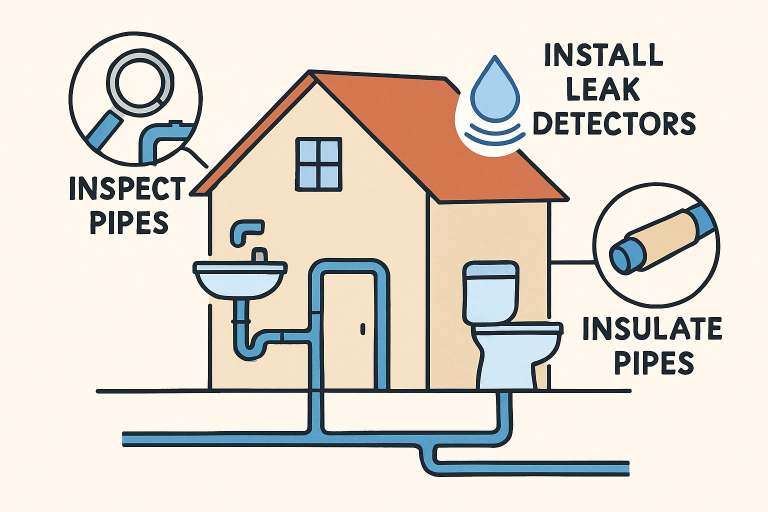
Proactively inspecting your plumbing system is the first step in reducing potential damage. Homeowners should routinely check pipes, joints, and connections throughout their home, particularly in kitchens, bathrooms, and basements, for telltale signs of leaks, corrosion, or mineral build-up. These monthly spot checks can reveal early issues, like tiny drips or damp spots, that if left unaddressed, can escalate into major incidents.
Schedule annual professional inspections to ensure thorough evaluations of your plumbing infrastructure. Plumbers use specialized tools and techniques to detect problems hidden from view, such as small leaks inside walls or inefficiencies in water heaters and sump pumps. Consistent inspections can help extend the lifespan of fixtures and keep utility bills under control. The Environmental Protection Agency (EPA) recommends routine maintenance to avoid water waste and emergency repairs; their resources on leak prevention offer more detailed guidance.
Installing Leak Detection Systems
Fast, early warning systems have become a game-changer for modern homeowners. Leak detection devices utilize sensors and smart technology to monitor water flow throughout your home. Once these sensors notice an irregularity, such as an unplanned spike in water use or pooling in sensitive areas, they instantly notify you via smartphone alerts, sometimes allowing you to shut off the supply remotely.
Many modern leak detection systems integrate with smart home platforms, offering a hands-off approach while you are at work or traveling. The peace of mind these systems provide is invaluable, particularly for high-risk properties or those with extensive plumbing.
Insulating Pipes to Prevent Freezing
Cold snaps pose one of the greatest risks to exposed plumbing. When water in pipes freezes, it expands and may cause pipes to burst, leading to catastrophic water damage. In vulnerable areas such as basements, garages, attics, and exterior walls, pipe insulation can reduce the likelihood of freezing. Materials like fiberglass sleeves and foam tubing are inexpensive and widely available at hardware stores.
During prolonged cold periods, keep cabinet doors slightly open to allow warm air to circulate around pipes, and let faucets drip gently to maintain water movement and relieve pressure. Implementing these seasonal precautions is an easy way to protect your home from one of the most common sources of plumbing emergencies.
Monitoring Water Pressure
High water pressure may be invisible, but its long-term effects on your home’s plumbing are significant. Pipes are designed to handle pressure up to a certain point; when exceeded, connections can loosen, and weak points in the system will begin to fail. Use a simple pressure gauge to monitor your water supply. If your reading is consistently above 80 psi, it is crucial to install a pressure-reducing valve.
Most plumbing supply stores can recommend and supply the right pressure-regulating devices. Additionally, municipal water supplies can fluctuate, making a home pressure check an essential part of ongoing maintenance.
Proper Disposal of Grease and Debris
Fat, oil, and grease are notorious culprits for causing pipe blockages. Pouring these substances down the drain can initially seem harmless, but as they cool and congeal, they lead to stubborn clogs over time. Instead, pour used cooking grease into a container and dispose of it with household trash. Install drain strainers to catch loose hair and food particles, especially in kitchen and bathroom sinks.
Practicing good habits in waste disposal also preserves municipal sewer infrastructure and protects the wider environment. Routine cleaning, along with responsible disposal, forms the foundation of a healthy plumbing system.
Knowing the Location of Shut-Off Valves
In a plumbing emergency, immediate action is key to limiting damage. Knowing where your home’s main water shut-off valve is located enables you to stop the water flow instantly if you experience a burst pipe or major leak. Test the valve periodically to ensure it works smoothly and make sure everyone in your household knows its location and how to operate it.
For fixtures like toilets and sinks, learn where built-in shut-off valves are situated so you can isolate issues locally without affecting the entire house.
Upgrading Aging Plumbing Systems
Pipes and fixtures have limited lifespans. Galvanized steel, polybutylene, and other outdated piping materials are particularly prone to corrosion and leaks. If your home’s plumbing is several decades old, consult with a professional to assess its current condition and explore replacement options.
Upgraded systems increase both safety and property value. Newer materials, like PEX or copper, are more resistant to breakage and build-up, and often come with extended warranties for added peace of mind.
Conclusion
Investing in maintenance and taking proactive precautions are your best defenses against plumbing emergencies. By combining technology, regular inspections, well-informed disposal habits, and upgrades to aging systems, you can significantly reduce both the frequency and severity of household plumbing issues.
Keeping your home protected means prioritizing not only fixes after the fact but also anticipating potential trouble before it happens. Preparedness is the hallmark of responsible and resilient homeownership.

- Reducing Damage from Plumbing Emergencies: Proactive Strategies for Homeowners - April 1, 2026
- Understanding Your Rights After A Personal Injury In Texas - March 30, 2026
- Best Practices for Answer-Driven Content - March 27, 2026