
Effective digital compliance management requires organizations to adopt structured processes and maintain ongoing oversight of regulatory requirements. Clear policies, routine audits, and robust monitoring systems help businesses ensure adherence to data privacy, cybersecurity, and reporting obligations. Automation can play a significant role in reducing human error, streamlining workflows, and keeping teams informed of regulatory changes, creating a proactive compliance environment.
In practice, using reliable providers can enhance these efforts by centralizing verification, risk assessment, and record-keeping. Brycer, for example, supports organizations in efficiently managing identity verification and background checks, making it easier to maintain consistent compliance standards. By integrating such solutions with internal processes, teams can focus on strategic priorities while mitigating risk. Overall, combining disciplined procedures with effective digital tools strengthens governance, ensures accountability, and helps organizations stay aligned with evolving regulatory expectations.
Table of Contents
Key Takeaways
- Continuous, real-time monitoring helps identify and proactively remediate compliance risks.
- Automation and AI can streamline compliance operations and minimize human error.
- Structured data management and governance are crucial in meeting evolving regulations.
Leverage Automation and Artificial Intelligence
Digital compliance is most efficient when powered by intelligent automation. Artificial intelligence can handle voluminous and repetitive tasks with greater precision, facilitating quick document reviews, automated risk assessments, and seamless data analysis. AI-driven systems identify inconsistencies, flag potential violations, and produce compliance reports instantly, all while lowering costs and reducing error rates.
For example, financial institutions increasingly rely on AI-driven compliance tools to ensure transaction monitoring aligns with global anti-money laundering standards.
Implement Robust Data Management and Governance
Sound data management is the bedrock of compliance. It starts with a comprehensive data governance framework that dictates how data is collected, stored, processed, and shared. This ensures compliance with global privacy laws such as GDPR and CCPA. Data quality management solutions enable businesses to track data lineage, prevent unauthorized alterations, and conduct accurate audits.
Transparent data practices are essential, particularly for organizations handling large volumes of personal or sensitive information. Regularly reviewing these frameworks and adopting tools such as master data management systems support compliance while driving operational consistency.
Employ Continuous Monitoring with Intelligent Alerting
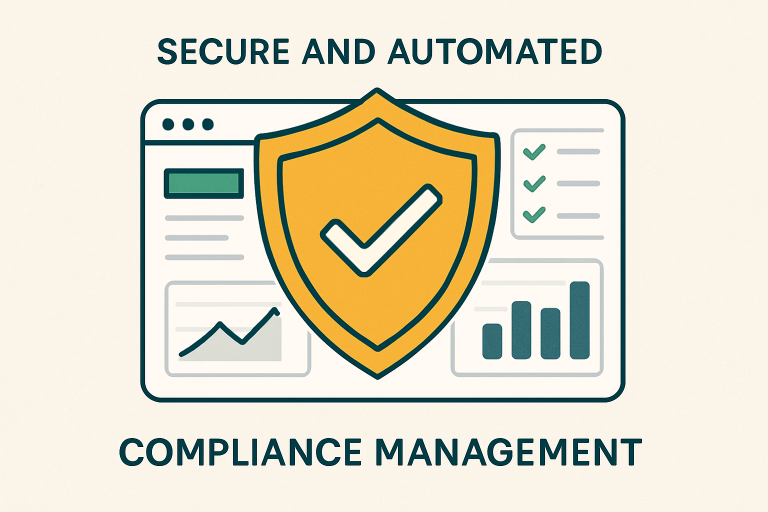
The ability to continuously monitor digital systems and infrastructures is vital for minimizing compliance risks. Real-time monitoring pipelines should scan network activity, data access logs, and user activity to detect any anomalies or violations. When potential issues arise, intelligent alerting tools allow teams to respond swiftly and address non-compliance incidents before they escalate. This proactive posture helps organizations maintain regulatory standards and prevent financial or reputational harm.
Integrate Compliance Checks into DevSecOps Pipelines
Incorporating compliance verification into DevSecOps pipelines is crucial for organizations that develop and deploy software products. This integration ensures that every stage of the development lifecycle, from initial design to deployment, factors in compliance requirements. Automated checks validate code, configurations, and dependencies against current regulatory standards, reducing the chances of non-compliant software entering production environments. Not only does this safeguard users, but it also reduces remediation costs and instills a compliance-minded culture within development teams.
Centralize Compliance Data Collection
Aggregating compliance-related logs, events, and metrics from various sources into a single, centralized repository streamlines analysis and reporting. This holistic view enables compliance teams to identify patterns, recognize vulnerabilities, and develop targeted remediation strategies. Centralized data collection also facilitates internal and external audits, making it easier to produce required documentation and demonstrate due diligence to regulators.
As regulatory demands grow in scope and complexity, organizations benefit greatly from a single source of truth for compliance data.
Implement Role-Based Access Control and Zero-Trust Security
Access control and security models are core to compliance integrity. Enforcing strict role-based access control (RBAC) ensures only individuals with the necessary permissions can access sensitive systems and information. The zero-trust security model further enhances this by continuously verifying every access attempt, regardless of network location. Together, RBAC and zero-trust minimize risks of data leakage, insider threats, and unauthorized system access, all of which are crucial for maintaining regulatory compliance.
Incorporate Customer Feedback for Continuous Improvement
Direct customer feedback is a powerful tool for exposing unseen privacy concerns or gaps in compliance procedures. By deploying real-time feedback tools and customer surveys, organizations can capture actionable insights that guide policy updates and system refinements. Responding proactively to customer input not only shores up compliance efforts but also helps to build long-term trust and loyalty with clients.
Stay Informed on Evolving Regulations
Staying up to date with the latest regulatory changes is non-negotiable. Regulatory bodies frequently update data privacy acts, security protocols, and industry-specific compliance standards. Organizations should monitor reputable sources, subscribe to regulatory news feeds, and routinely participate in compliance training and professional development. This ongoing vigilance protects against costly oversights and encourages a culture of compliance readiness.
Conclusion
Applying these best practices empowers organizations to turn digital compliance from a challenge into a competitive advantage. Proactive compliance management ensures regulatory alignment, strengthens stakeholder trust, and lays the foundation for long-term business success in an increasingly complex regulatory landscape.

- How Self-Service Checkout Kiosks Shape Modern Retail - March 23, 2026
- Why Medical Device Recalls Occur and Their Role in Safeguarding Patient Safety - March 20, 2026
- How Pharmacy Services Support Wellness in Long-Term Care - March 20, 2026