
Table of Contents
Key Takeaways
- Regular maintenance significantly extends the life of your outboard motor.
- Properly storing and handling your outboard prevents major damage and costly issues.
- Always use quality fuel and lubricants to enhance performance and durability.
Ensuring the longevity and optimal performance of your outboard motor comes down to regular care and following best maintenance practices. Whether you use your boat for recreation, fishing, or professional purposes, implementing a structured maintenance schedule not only prevents costly repairs but also lets you enjoy the water with confidence. For those who operate high-end vessels, the right parts and components also play a major role in performance. Finding reliable Fleming Yacht parts quickly and efficiently ensures that every aspect of your boat, including the motor, functions correctly in the long term.
Most outboard motor problems are preventable with basic attention. By learning a few key routines and developing good storage and fuel habits, you can avoid unexpected breakdowns and maximize your motor’s lifespan.
Regular Maintenance
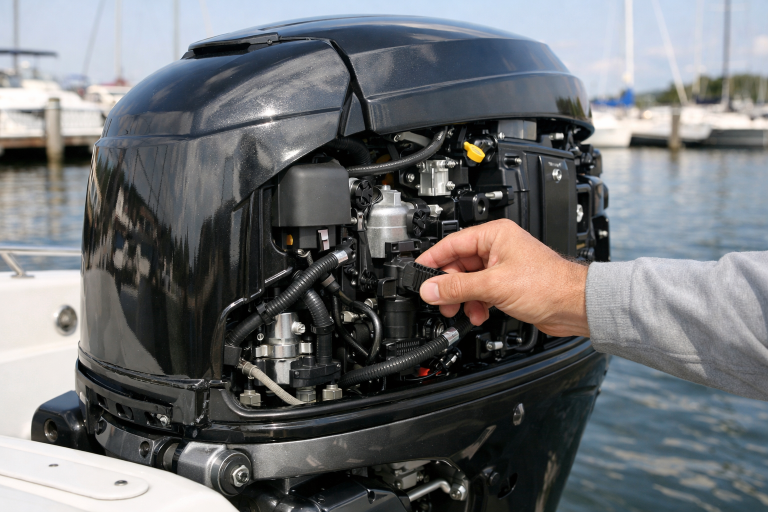
At the heart of keeping your outboard motor running smoothly is regular, scheduled maintenance. Start by checking and replacing the engine oil at intervals recommended by the manufacturer or after prolonged use. Neglecting oil changes increases the risk of engine wear and serious mechanical issues. In addition, always inspect fuel hoses and lines for leaks, cracks, or signs of aging, and replace any components that show signs of deterioration. Spark plugs play a vital role in ensuring proper engine combustion; replace them according to your motor’s maintenance schedule to keep fuel consumption and emissions in check. Routine maintenance, as recommended in boating sources including Boating Magazine, is essential for reliable operation throughout the boating season.
Proper Storage
Storing your outboard correctly, especially during the off-season, dramatically reduces the chance of corrosion and internal damage. Begin by flushing all water from the engine to eliminate residual salt and sediment. Storing your outboard upright helps prevent water from collecting in the lower unit. Make sure the fuel is stabilized before long storage periods to prevent varnish deposits and gum formation in the carburetor and fuel lines. WTXL’s expert insights reveal that well-protected engines last longer and perform better after winter or extended downtime.
Fuel Quality
Using high-quality, ethanol-free gasoline whenever possible is highly recommended for outboard motors. Ethanol attracts moisture, which can lead to phase separation, corrosion, and fuel system blockages. If you have no choice but to use ethanol-containing fuel, opt for options containing no more than 10 percent ethanol and add a corrosion-inhibiting fuel stabilizer before each fill-up. This preventative step helps deter internal rust and buildup and ensures your engine starts up smoothly after periods of disuse. The National Marine Manufacturers Association offers additional guidance about best fuel practices for marine engines.
Cooling System Care
Outboard motors rely heavily on water-based cooling systems. Immediately after use, flush the motor with clean, fresh water, especially for those navigating in saltwater or silty environments. This not only prevents salt and debris from crystallizing and blocking the cooling passages, but it also helps reduce the risk of overheating and costly engine damage. Regularly inspect the water pump and cooling system components for wear or clogs, and address any issues promptly to maintain continuous cooling efficiency. For further advice on proper flushing and cooling system care, see Field & Stream.
Propeller Inspection
Neglecting your propeller can lead to imbalanced operation and increased fuel consumption. Inspect the propeller at least monthly for any signs of damage, such as chips, dents, or warping, and look for entangled fishing line or other debris around the shaft. Even minor propeller imperfections can cause vibrations, reduce efficiency, and harm your engine’s lower unit. Whenever you remove the propeller, take the opportunity to lubricate the propeller shaft and check for any hidden corrosion or wear that could cause future problems.
Electrical System Checks
Electrical faults are a common cause of engine trouble, especially after long periods of inactivity. Inspect your battery terminals for corrosion, tightness, and overall integrity. Clean the contacts and use a corrosion inhibitor to protect them from moisture-induced damage. Examine all wiring harnesses for secure connections, visible wear, or fraying. Proactively maintaining the electrical system can prevent unexpected breakdowns and help your outboard deliver reliable starts and smooth operation every time. The manufacturer’s handbook typically provides a checklist for evaluating key electrical components.
Professional Servicing
Even the most diligent owners should schedule annual checkups by qualified marine technicians. Professional servicing includes comprehensive diagnostic testing, lower-unit inspections, and assessments of the fuel, electrical, and cooling systems. Certified technicians have the tools and training to detect hidden issues before they escalate into costly repairs, and they can perform firmware or system updates as needed to optimize outboard performance. Trust reputable marine service centers that your engine manufacturer recommends for the best ongoing care.
Conclusion
Consistent, careful outboard motor maintenance is the best way to ensure years of reliable performance and avoid costly breakdowns. Simple habits like using high-quality fuel, storing your engine properly, and inspecting key components regularly can prevent many of the common issues faced by boat owners. By following the guidelines here and turning to quality resources when you need parts or technical support, you will keep your outboard motor running strong and ready for every adventure on the water.

- How Jacksonville, Florida Homeowners Can Spot Hidden Plumbing Leaks Before Damage Spreads - September 15, 2026
- How to Reduce Workplace Noise and Vibration With R.T. Laird, Inc. Casters - September 15, 2026
- Find Chicago Souvenir Gifts Faster With SouvenirCityChicago - August 29, 2026