

Table of Contents
Key Takeaways
- Victims of personal injury in Texas have significant legal rights, including the right to seek compensation.
- Knowing the steps to take immediately after an injury can protect your legal interests.
- Working with experienced legal professionals can make a positive difference in your recovery and case outcome.
Introduction
Every year, countless Texans experience personal injuries resulting from accidents at work, road collisions, slips and falls, or even animal attacks. In the aftermath of such incidents, it is crucial to understand your legal rights and the steps you need to take to secure your future. Consulting a Houston personal injury lawyer early in the process can help you make informed decisions and safeguard your wellbeing. Texas law provides specific protections and pathways for those harmed due to the negligence or wrongful acts of others. While every case is unique, knowing the basics of your rights after a personal injury helps you act quickly and responsibly, ensuring the best possible recovery, both physically and financially.
Taking immediate action and gathering the right information can mean the difference between a successful claim and a missed opportunity for fair compensation. This guide outlines the key rights and responsibilities Texans need to keep in mind after experiencing a personal injury. Understanding these legal fundamentals empowers you not only to recover damages but also to prevent others from suffering similar harm.
Your Right to Medical Care After an Injury
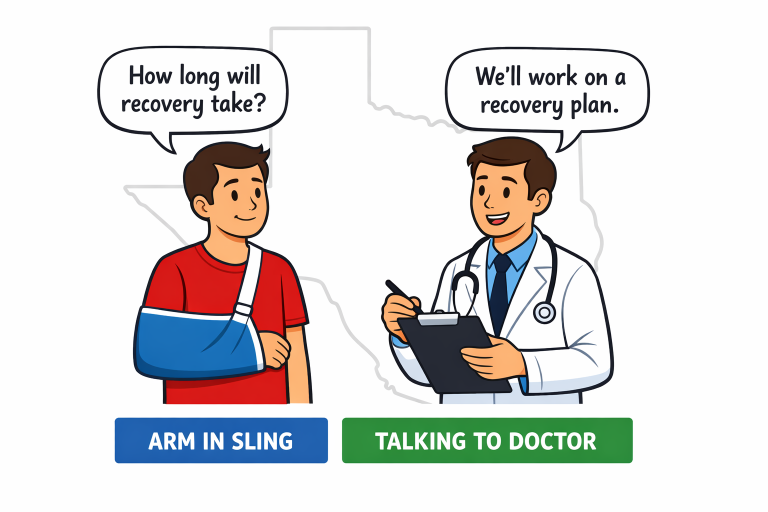
After suffering an injury in Texas, you have the right to seek prompt and thorough medical attention. Not only is this vital for your health, but it also provides evidence of your injuries. Medical documentation is one of the cornerstones of any successful personal injury claim. Even if injuries seem minor initially, complications can develop later, making early diagnostics essential. Your health insurance may cover immediate care, but if another party is at fault, you may be reimbursed for these expenses as part of your claim. Always follow your doctor’s recommendations and retain copies of all medical records and bills.
The Role of Fault and Comparative Negligence
Texas follows a modified comparative negligence rule, which means the amount of compensation you are entitled to may be reduced if you are partly at fault for the accident. However, as long as you are not more than 50% responsible, you can still recover damages. Understanding how fault is evaluated can help you better document your case and avoid behaviors that could be construed as contributory negligence. It is advisable to avoid admitting fault or making statements that insurance companies or opposing parties could misunderstand. Instead, let experienced professionals guide communication related to the accident.
Filing a Personal Injury Claim
The process of filing a personal injury claim in Texas involves several steps, and timing is critical. You generally have two years from the date of the injury to file a lawsuit. Missing this deadline, known as the statute of limitations, can result in losing the right to compensation completely. To start your claim, gather all evidence, such as photographs, witness statements, and incident reports, and keep records of all expenses and losses related to your injury. Consulting with a knowledgeable attorney is also recommended, as they can help identify liable parties and navigate complex insurance negotiations.
Types of Compensation Available
Victims may be entitled to various types of compensation, depending on the nature and severity of their injuries. These include:
- Medical expenses (current and future)
- Lost wages and decreased earning capacity
- Pain and suffering
- Property damage
- Rehabilitation and therapy costs
- Loss of enjoyment of life
In some cases, punitive damages may also be awarded if the responsible party’s conduct was especially reckless or intentional.
Insurance and Settlement Negotiations
Insurance companies often attempt to minimize payouts and may pressure victims to accept quick settlements that do not reflect the full extent of their losses. It is important to carefully review any settlement offers and understand your rights before agreeing to a resolution. You are not required to accept the first offer, and negotiations can lead to a more appropriate settlement for your injuries and future needs.
What To Do Immediately After an Accident
In the moments following an accident, the actions you take can shape your case’s outcome. If you are able, do the following:
- Seek medical attention as soon as possible.
- File a police or incident report if appropriate.
- Document the accident scene with photographs and contact information for witnesses.
- Notify your employer if the accident occurred at work.
- Avoid discussing fault or posting about the incident on social media.
This documentation creates a clear record, which will be helpful during insurance claims or legal actions.
The Importance of Legal Guidance
Navigating the legal system alone can be overwhelming, especially when you are recovering from injuries. Partnering with a qualified attorney ensures that your rights are protected, evidence is preserved, and deadlines are met. Texas law is nuanced, and every case has unique aspects that require professional attention and tailored strategies. Most reputable law firms offer free consultations and can explain your options without obligation, providing peace of mind and actionable next steps. The legal resources and support that attorneys provide can alleviate much of the stress and uncertainty associated with personal injury cases.
Conclusion
Personal injuries can cause long-term suffering, lost income, and disruptions to daily life. Texans who understand their rights can recover more effectively and rebuild their lives after an accident. Knowing what to do, whom to contact, and how to document your case makes all the difference in achieving justice and fair compensation.

- Find Chicago Souvenir Gifts Faster With SouvenirCityChicago - August 29, 2026
- After a Serious Injury in Michigan: A 2026 Checklist for Medical Care, Evidence, and Legal Deadlines - August 10, 2026
- How to Compare Privacy, Views, and Daily Convenience When Choosing a Los Angeles Luxury Neighborhood in 2026 - August 10, 2026