
The custom metal fabrication industry is entering a pivotal era defined by innovative technologies and shifting business expectations. Companies are under increased pressure to deliver precision, efficiency, and sustainability across their operations. Keeping pace with these advancements is essential for organizations that want to remain ahead of the curve. By staying attuned to industry changes, businesses can make proactive decisions that foster long-term growth and operational excellence. One example of a forward-thinking provider in this space is Elite Weld & Fab, which uses modern approaches to deliver high-quality, custom metal solutions tailored to diverse industries.
As the boundaries of what is possible in metal fabrication continue to expand, manufacturers must remain adaptable. Not only are new methods and materials being introduced, but consumer and regulatory expectations are also increasing. This has generated a landscape where versatility, eco-friendliness, and sophisticated engineering are defining the next generation of fabrication capabilities.
Table of Contents
Automation and Robotics Integration
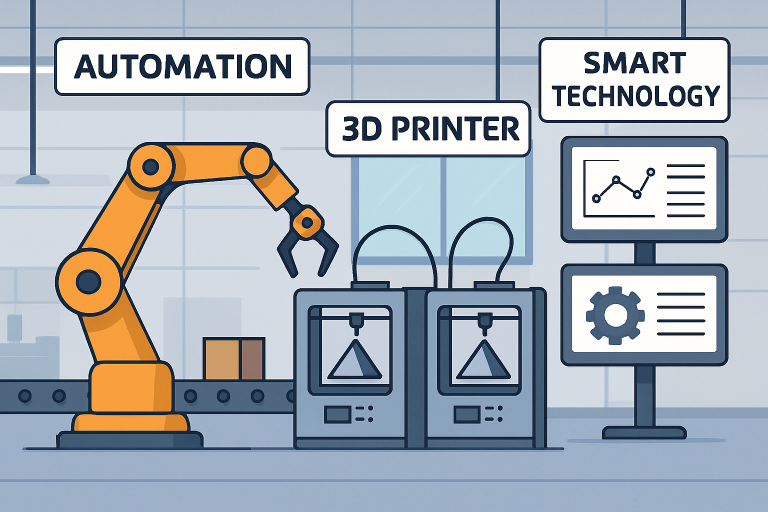
Automation and robotics have become mainstays of modern fabrication environments. Robotic arms and automated systems now handle complex tasks such as welding, cutting, and material handling. These technologies significantly enhance precision and consistency while minimizing the margin for human error. Companies benefit from streamlined workflows and shorter production cycles, allowing them to increase capacity without sacrificing quality. In the face of labor shortages and rising demands, automation delivers a solution that keeps production both agile and reliable.
Advancements in Additive Manufacturing
3D printing or additive manufacturing is rapidly revolutionizing custom fabrication. This method builds objects layer by layer, opening up new potential for intricate designs and precise part geometries previously impossible through traditional processes. Industries such as aerospace, automotive, and medical manufacturing are leveraging the advantages of additive techniques, including reduced waste, faster prototyping, and efficient small-batch production. Additive manufacturing is having a transformative impact by reducing costs and accelerating time-to-market for new products.
Sustainability and Eco-Friendly Practices
As environmental awareness grows, custom metal fabrication companies are prioritizing sustainable practices. Efforts focus on recycling scrap metal, selecting energy-efficient equipment, and implementing waste-minimizing processes. These initiatives not only support regulatory compliance but also enhance brand reputation and appeal to clients who value eco-friendly partnerships. A focus on sustainability can prove beneficial both financially and environmentally over the long term. Leading organizations now see green manufacturing as integral to competitiveness, not just regulatory box-ticking.
Digital Transformation and AI
Digital transformation and artificial intelligence are streamlining operations throughout the metal fabrication sector. Businesses are utilizing AI algorithms for predictive maintenance and intelligent supply chain management, resulting in reduced downtime and cost savings. Digital twins and virtual prototyping are helping engineers identify potential issues before parts are made, thereby lowering waste and rework. Real-time monitoring drives faster, data-informed decision-making. AI-powered solutions are set to remain a key driver of future growth in manufacturing.
Smart Factories and IoT
The evolution of smart factories powered by the Internet of Things (IoT) is driving highly connected, responsive production environments. Sensors embedded in machinery continuously collect performance data, allowing for predictive maintenance and optimizing equipment utilization. Smart manufacturing improves resource management, minimizes downtime, and ensures timely deliveries. The implementation of industrial IoT is a cornerstone for factories aiming to achieve next-level automation and production intelligence.
Advanced Materials and Customization
Demand for advanced materials and highly customized solutions is pushing manufacturers to be more innovative and flexible. Engineers are experimenting with new alloys and composite materials designed for specific environments, such as corrosion-resistant or lightweight applications. Clients require parts tailored to specific specifications for optimal performance, making customization a competitive differentiator in the marketplace.
Hybrid Manufacturing Techniques
Hybrid manufacturing represents a strategic fusion of additive and subtractive methods, combining 3D printing with traditional machining or fabrication processes. This approach unlocks new possibilities for manufacturing complex parts, offering both the versatility of additive processes and the accuracy of conventional techniques. Hybrid manufacturing supports cost efficiency, shortens lead times, and appeals to industries that need highly specialized components produced on demand.
Global Supply Chain Restructuring
Global supply chain realignment has become a priority amid trade policies, transportation bottlenecks, and geopolitical uncertainties. Companies are seeking to localize production, diversify their vendor base, and invest in resilient sourcing strategies. A more flexible, distributed supply chain helps reduce risk, enhance reliability, and enable faster responses to market shifts, ensuring business continuity even amid international disruptions.
Conclusion
The future of custom metal fabrication is being shaped by rapid technological advancement, evolving client expectations, and a growing emphasis on sustainability and efficiency. From automation and AI to advanced materials and hybrid manufacturing, these trends are redefining how metal components are designed, produced, and delivered. Manufacturers that embrace digital transformation, invest in smart factory solutions, and adapt to shifting global supply chains will be best positioned to remain competitive. By staying flexible and forward-looking, the industry can continue to meet complex demands while driving innovation and long-term resilience.

- Buyer’s Checklist for Desert-Smart Luxury Homes in Las Vegas, Nevada - October 12, 2026
- How to Create a Safer Pool Area in Orange County, California - October 12, 2026
- Scorecard for Choosing a Queen Creek, Arizona Neighborhood - September 25, 2026